Architectural Signage & Integrated Wayfinding
Sign Systems That Bring Clarity, Flow, and Cohesion to Complex Spaces
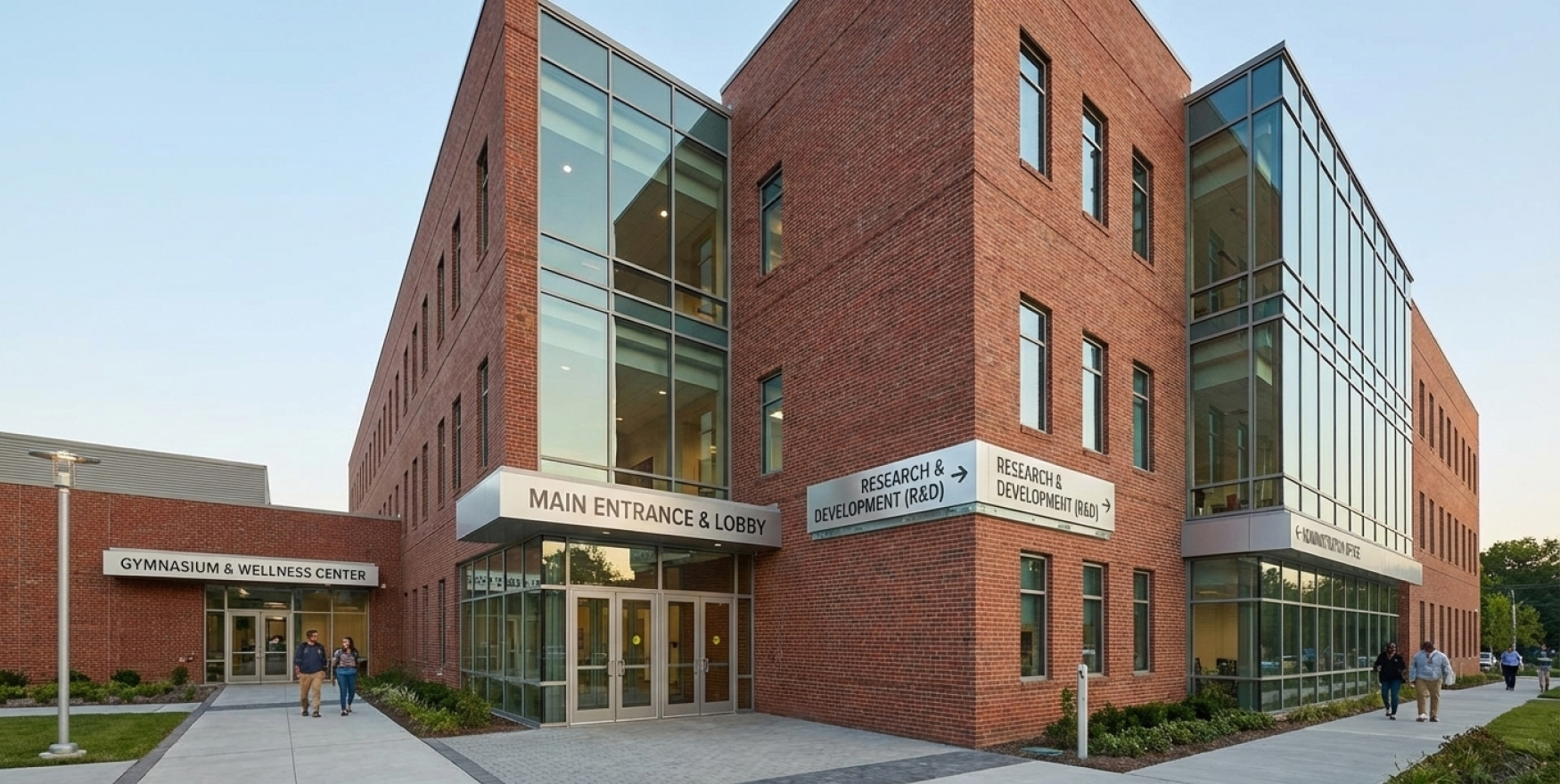
Optimize movement and spatial understanding with thoughtfully designed signage. These solutions go beyond individual signs to create cohesive visual environments that help people move easily, confidently, and intuitively through any space.
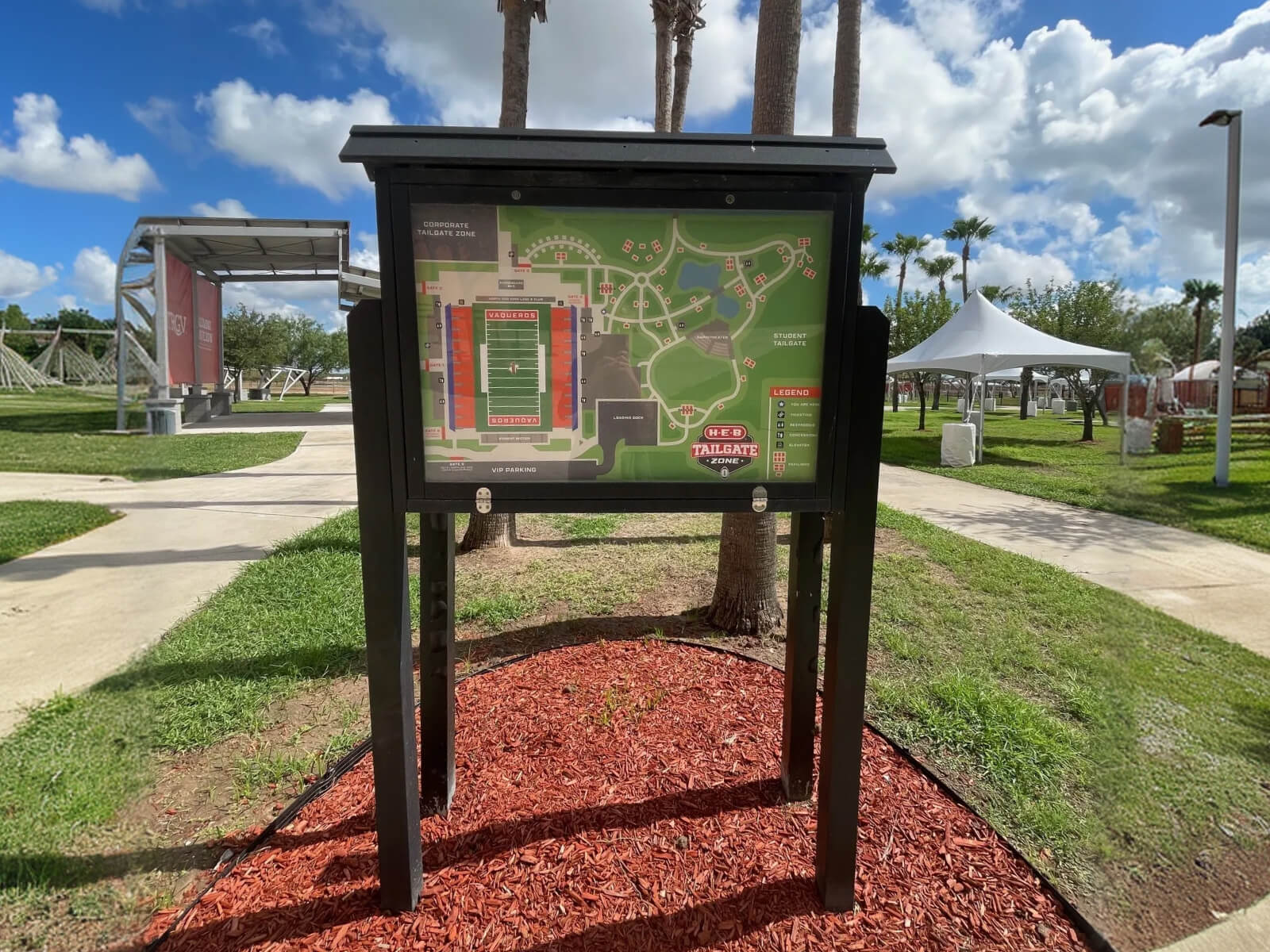
Architectural signage encompasses interior and exterior sign systems designed to complement built environments while aiding orientation and identification. When paired with integrated wayfinding (strategic planning of visual cues, paths, symbols, and contextual information), these systems shape how users perceive and interact with spaces, such as corporate campuses, healthcare facilities, schools, retail environments, and public venues
Why Effective Wayfinding Matters
Clear orientation at every touchpoint
A well-planned system reduces confusion, supports seamless transitions between areas, and enhances operational flow throughout a facility.
Visual harmony and brand identity
Architectural signage integrates with interior and exterior design aesthetics, reinforcing a sense of place and professional presentation.
Accessibility and compliance
Functional sign systems consider universal accessibility, including ADA-compliant elements, tactile features, and clear visual hierarchy that support all users.
Key Components

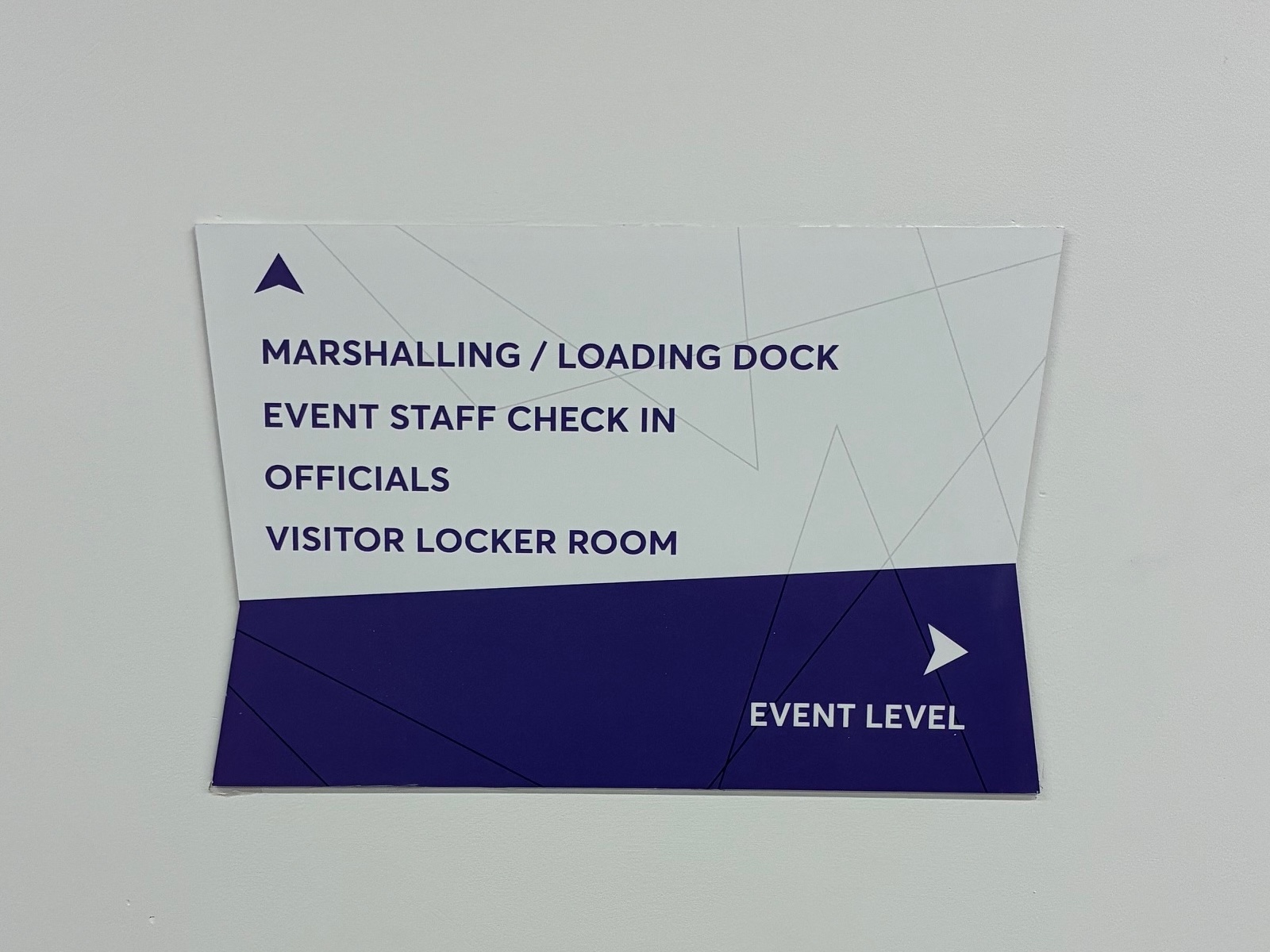
Directional Systems
Clarity in movement is achieved through corridor signs, floor numbers, arrows, and transition markers that consistently guide visitors toward key destinations.

Identification & Building Markers
External and internal building identifiers, room designation panels, and entrance markers help users recognize specific locations immediately.

Map & Information Displays
Strategically placed maps or digital kiosks provide context and orientation, especially in large or multi-building environments.

Branding & Graphic Integration
Signage can incorporate visual motifs, branded color schemes, and typography that align with the environment’s identity without compromising legibility.

ADA & Inclusive Signage
Text hierarchies, braille, tactile paths, and accessible design elements are integrated to ensure all visitors can navigate confidently and independently.
Directional Systems
Clarity in movement is achieved through corridor signs, floor numbers, arrows, and transition markers that consistently guide visitors toward key destinations.
Identification & Building Markers
External and internal building identifiers, room designation panels, and entrance markers help users recognize specific locations immediately.
Map & Information Displays
Strategically placed maps or digital kiosks provide context and orientation, especially in large or multi-building environments.
Branding & Graphic Integration
Signage can incorporate visual motifs, branded color schemes, and typography that align with the environment’s identity without compromising legibility.
ADA & Inclusive Signage
Text hierarchies, braille, tactile paths, and accessible design elements are integrated to ensure all visitors can navigate confidently and independently.
Typical Applications
Corporate Campuses
Unified signs that support wayfinding through large office complexes.

Healthcare Facilities
Patient-centered navigation with clear, calming signage systems.
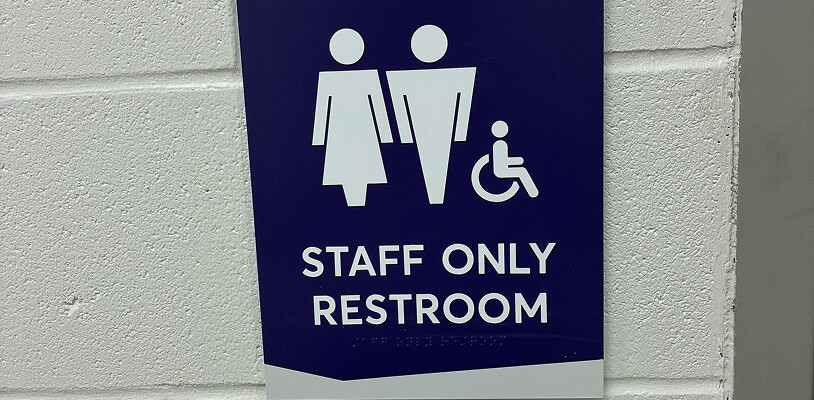
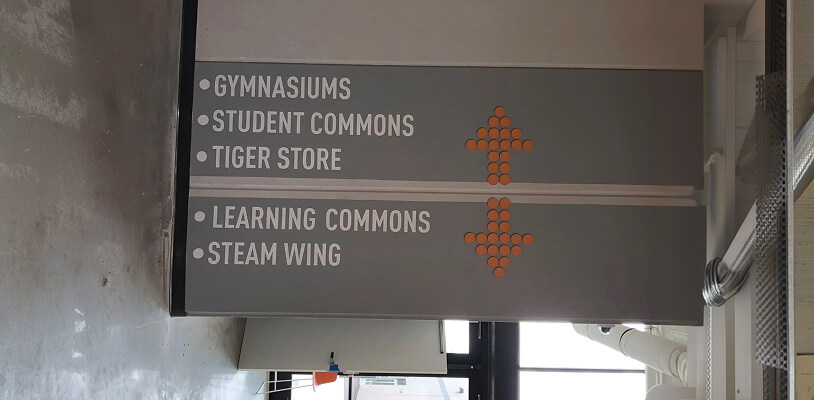
Education & Campus Environments
Directory systems that link outdoor paths with building interiors.
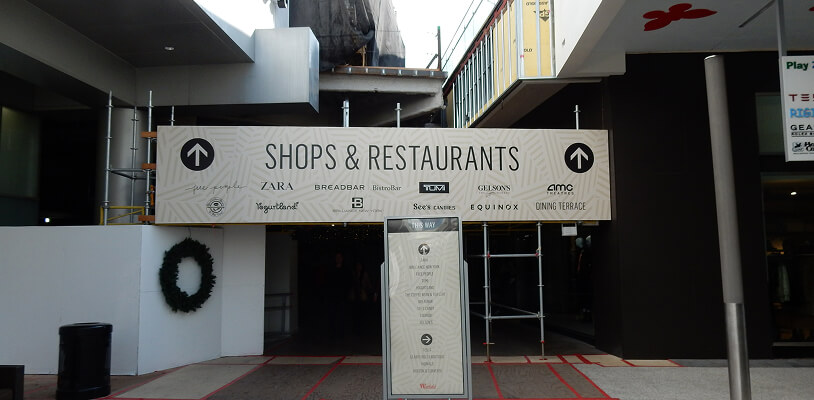
Retail & Public Spaces
Intuitive visual cues that help shoppers and visitors explore with confidence.
Corporate Campuses
Unified signs that support wayfinding through large office complexes.
Healthcare Facilities
Patient-centered navigation with clear, calming signage systems.
Education & Campus Environments
Directory systems that link outdoor paths with building interiors.
Retail & Public Spaces
Intuitive visual cues that help shoppers and visitors explore with confidence.

Integrated Wayfinding Design Approach
- Assessment & Planning Map user journeys and key decision points within a space to determine optimal sign placement and hierarchy.
- Custom Design & Material Selection Materials, colors, and typography are selected to ensure durability, readability, and aesthetic cohesion.
- Strategic Implementation Signs are positioned where they’re most needed: entrances, intersections, and transitions to maximize visibility and usefulness.
- Ongoing Evaluation Periodic review and updates keep wayfinding systems relevant as spaces evolve or user needs change.
Benefits of Architectural Wayfinding Systems
Enhanced User Confidence:
Clear signage reduces stress and improves first-time visitor experiences.
Improved Traffic Flow:
Well-planned systems keep people moving efficiently.
Stronger Identity:
Integrated design reflects the character and values of your space.
Compliance & Accessibility:
Inclusive signage supports universal access and regulation adherence.

Let's Bring Your Vision to Life
Helping you achieve your goals is our priority