Add Dimension to Your Space with Textured Walls
Bring walls to life with vivid color, tactile effects, and custom finishes.
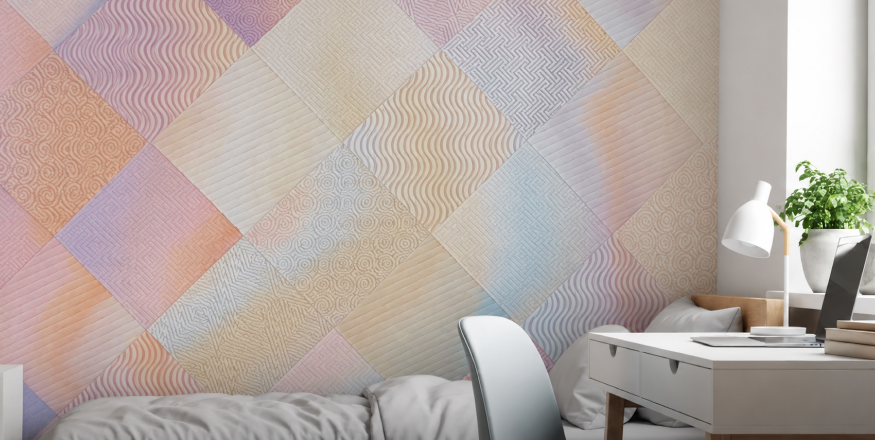
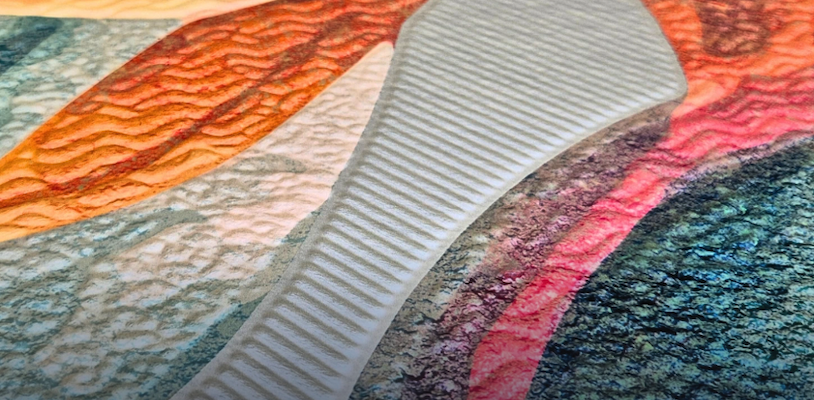
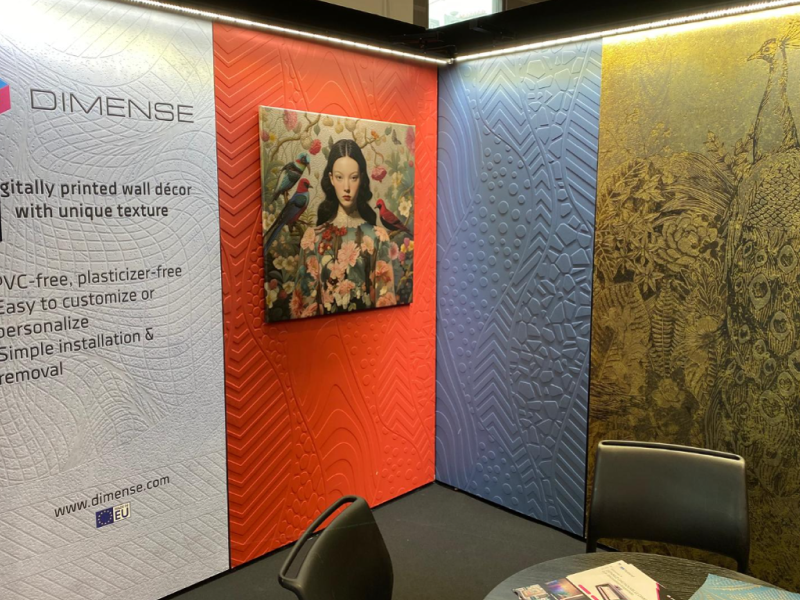
Dimensional printing adds texture and depth to custom wallcoverings, creating more tactile and memorable interiors. From subtle patterns and material-inspired finishes to bold embossed graphics, textures can be precisely applied to complement or enhance the design. With raised effects up to approximately 2 mm, walls become an integral part of the visual experience.
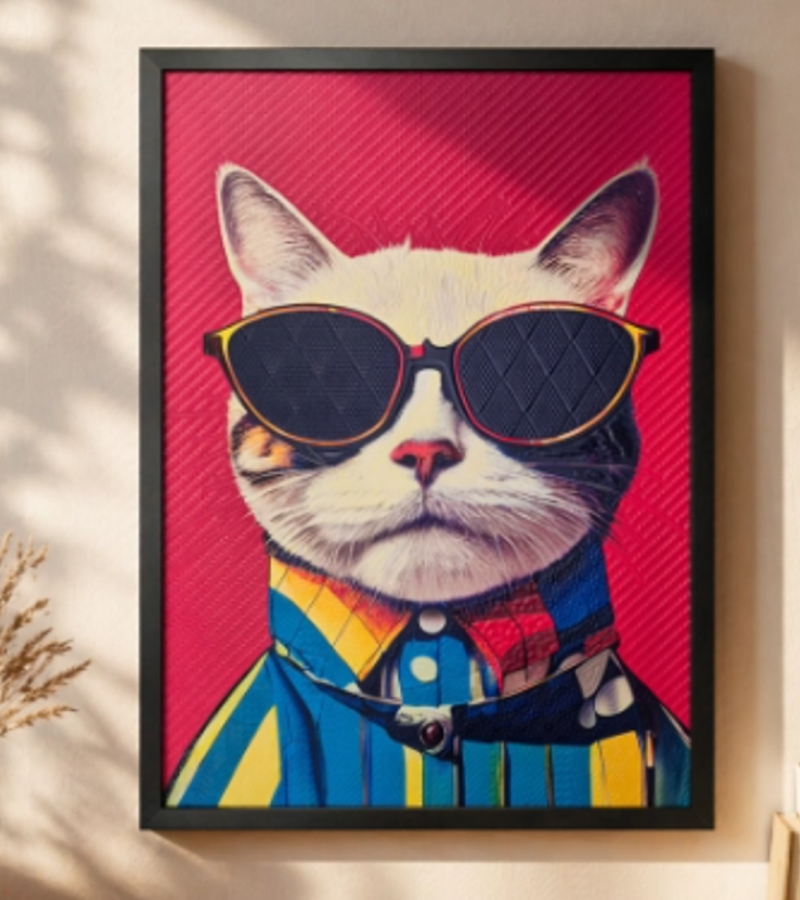
Give Your Designs More Dimension
Traditional printed wallcoverings add color and imagery. Dimensional printing adds another layer entirely.
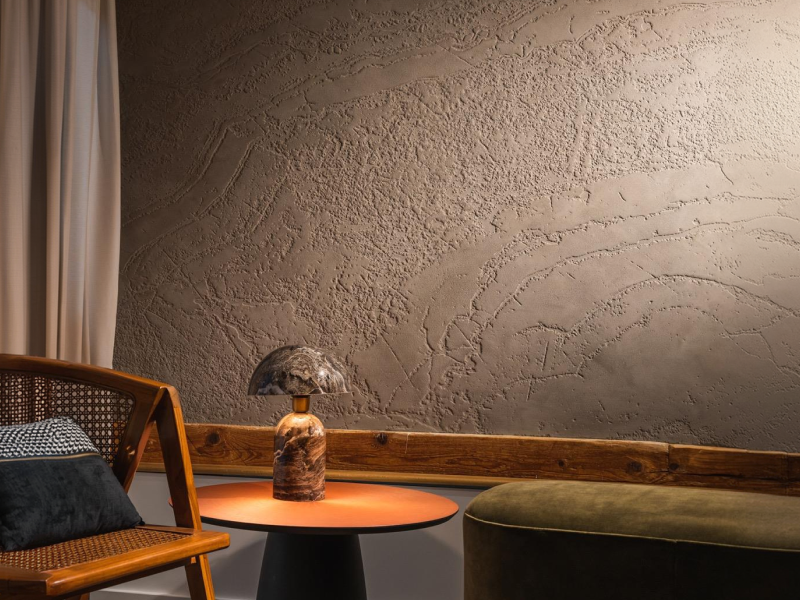
Texture can create depth, movement, shadow, and materiality that changes as people move through a space. This makes it possible to create surfaces that feel more architectural and less like applied graphics.
For design teams, that means greater freedom to develop interiors that are distinctive, sensory, and specific to the client rather than relying solely on standard wallcovering patterns or finishes.
A New Creative Material for Designers

Custom Texture
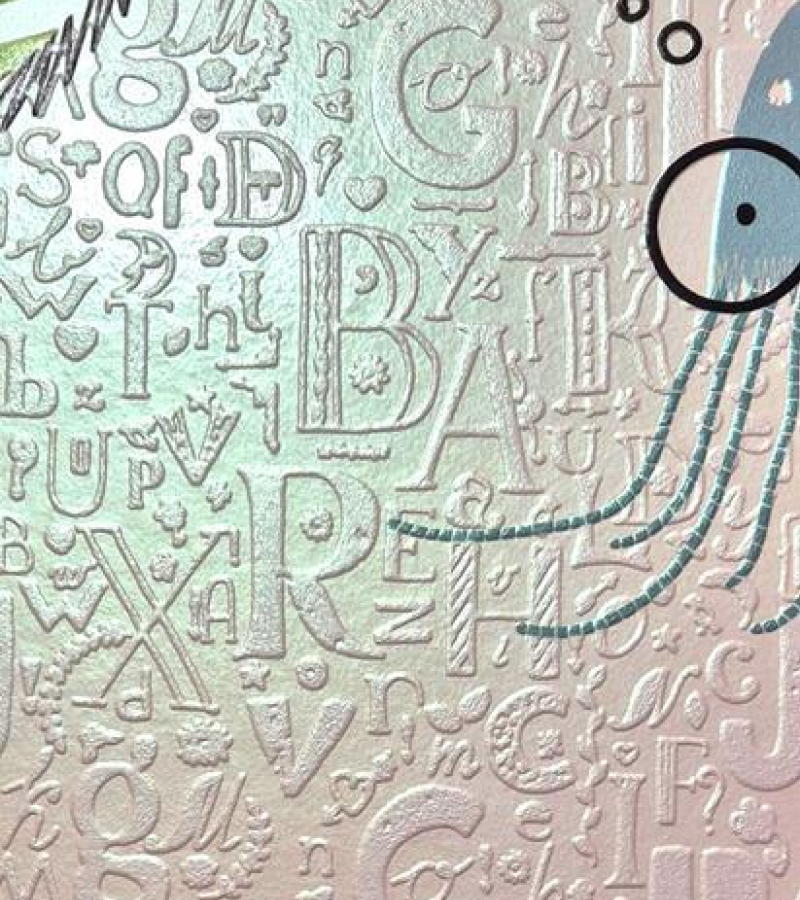
Create embossed patterns that follow artwork, reinforce visual elements, or stand independently as a distinctive design feature with added depth and character, and lasting visual impact.

Sophisticated Finishes
Explore matte, pearlescent, suede-like, metallic, textile-inspired, and other premium surface effects. Available media can include non-woven and textile-based options.

Integrated Color + Dimension
Combine full-color graphics and physical texture in one design, opening possibilities that conventional printed wallcoverings cannot provide.

Made for Custom Interiors
Move beyond fixed patterns and off-the-shelf finishes with wallcoverings developed specifically for your unique project, brand, environment, or creative design concept.
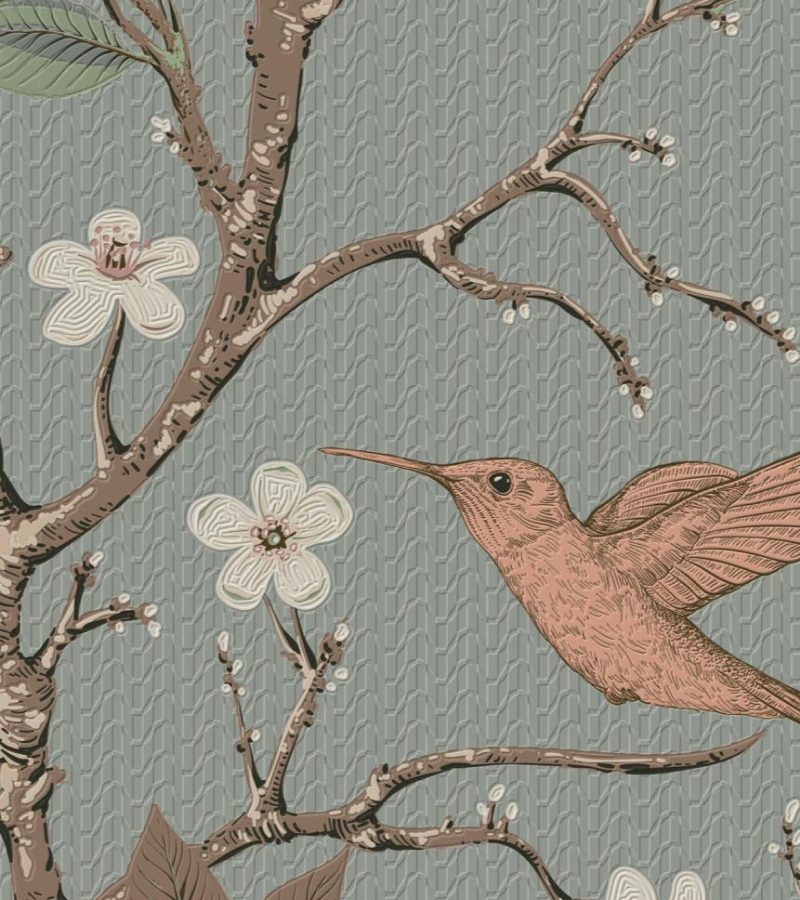
Create Spaces People Want to Experience
For your clients, textured wallcoverings provide more than decoration. They help create spaces with personality and a stronger sense of place.
Dimensional surfaces can be used to:
- Create memorable arrival experiences
- Add richness to hospitality and workplace interiors
- Reinforce brand identity without relying on traditional signage
- Introduce texture without using heavier architectural materials
- Turn large blank walls into focal points
- Create custom patterns that align with furniture, finishes, and interior architecture
- Bring depth to artwork, murals, and environmental graphics
The result is a surface that invites closer inspection and in many cases, touch.
From Subtle Texture to Statement Walls
Dimensional printing can support a wide range of creative directions.

Material-inspired surfaces
Create visual interpretations of concrete, stone, textiles, leather, botanical patterns, or other architectural materials.

Geometric patterns
Add raised lines, repeating motifs, and dimensional structures that interact with lighting and shadow.

Custom brand environments
Integrate identity, pattern, typography, and texture into a unified architectural expression.

Artistic wallcoverings
Give illustrations, photography, and commissioned artwork additional depth and tactile character.

Feature walls
Create high-impact focal points for lobbies, hospitality spaces, retail environments, conference areas, and executive interiors.
Material-inspired surfaces
Create visual interpretations of concrete, stone, textiles, leather, botanical patterns, or other architectural materials.
Geometric patterns
Add raised lines, repeating motifs, and dimensional structures that interact with lighting and shadow.
Custom brand environments
Integrate identity, pattern, typography, and texture into a unified architectural expression.
Artistic wallcoverings
Give illustrations, photography, and commissioned artwork additional depth and tactile character.
Feature walls
Create high-impact focal points for lobbies, hospitality spaces, retail environments, conference areas, and executive interiors.
Designed for the Spaces You Design
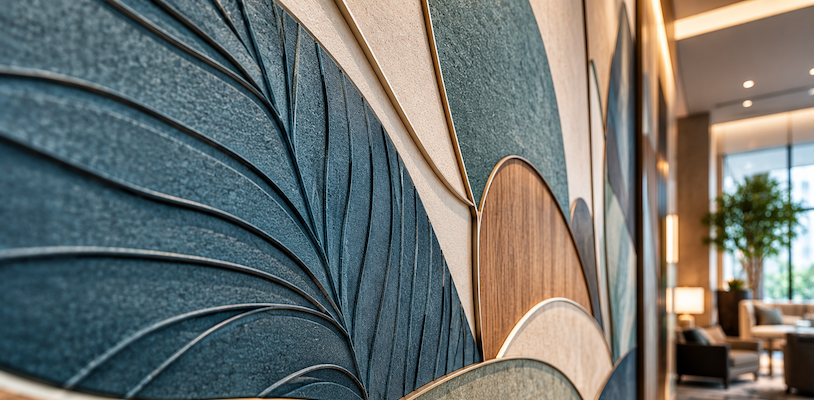
Hospitality
Create richer guest experiences in hotels, restaurants, lounges, spas, and amenity spaces.
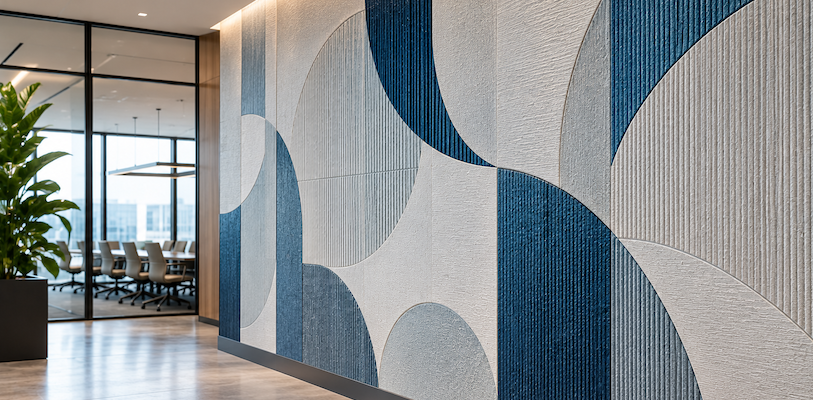
Corporate & Workplace
Transform reception areas, collaboration spaces, conference rooms, and employee environments with custom branded surfaces.
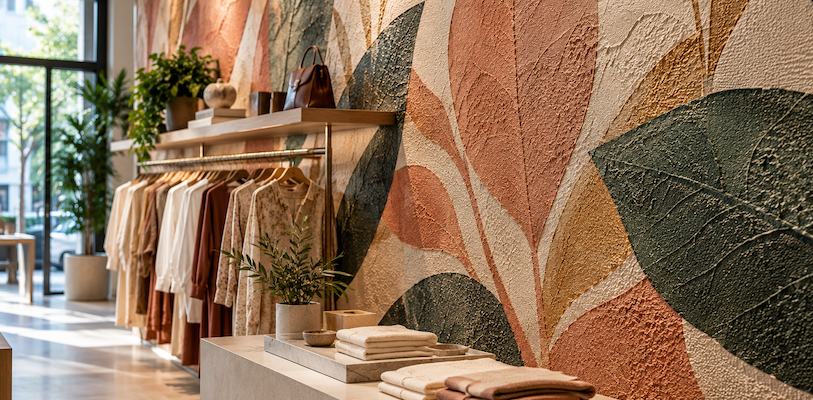
Retail
Use tactile graphics and dimensional finishes to create immersive environments and elevate premium merchandising spaces.
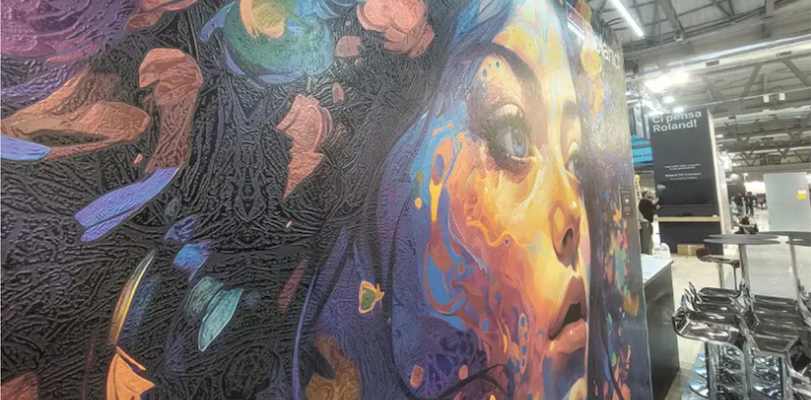
Education
Create engaging environments for libraries, student centers, collaboration areas, and institutional spaces.
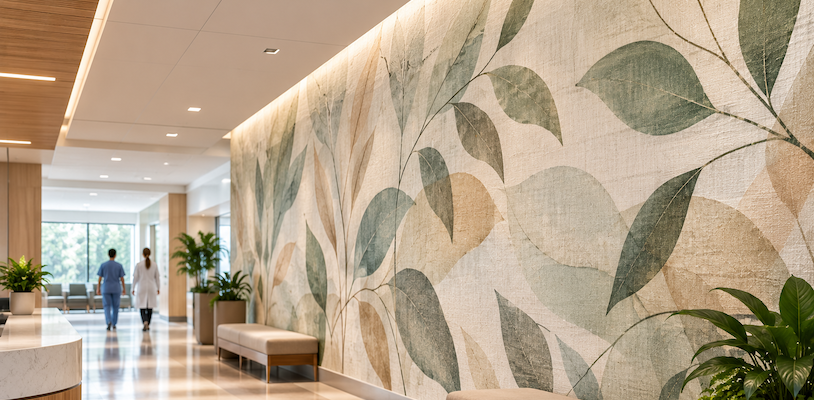
Healthcare
Introduce calming patterns, natural textures, and customized visual environments while supporting thoughtful interior design.
Residential & Multifamily
Develop distinctive amenity spaces, lobbies, model units, and high-end residential interiors.
Hospitality
Create richer guest experiences in hotels, restaurants, lounges, spas, and amenity spaces.
Corporate & Workplace
Transform reception areas, collaboration spaces, conference rooms, and employee environments with custom branded surfaces.
Retail
Use tactile graphics and dimensional finishes to create immersive environments and elevate premium merchandising spaces.
Education
Create engaging environments for libraries, student centers, collaboration areas, and institutional spaces.
Healthcare
Introduce calming patterns, natural textures, and customized visual environments while supporting thoughtful interior design.
Residential & Multifamily
Develop distinctive amenity spaces, lobbies, model units, and high-end residential interiors.
Premium Aesthetics Without Standard Constraints
One of the strongest benefits for architecture and interior design firms is the ability to design the surface rather than select it from a catalog.
Instead of adapting a concept to an existing wallcovering pattern, designers can develop a finish around the project itself.
This gives design teams greater control over the relationship between graphics, finishes, furniture, lighting, and architecture.
Texture You Can See and Feel
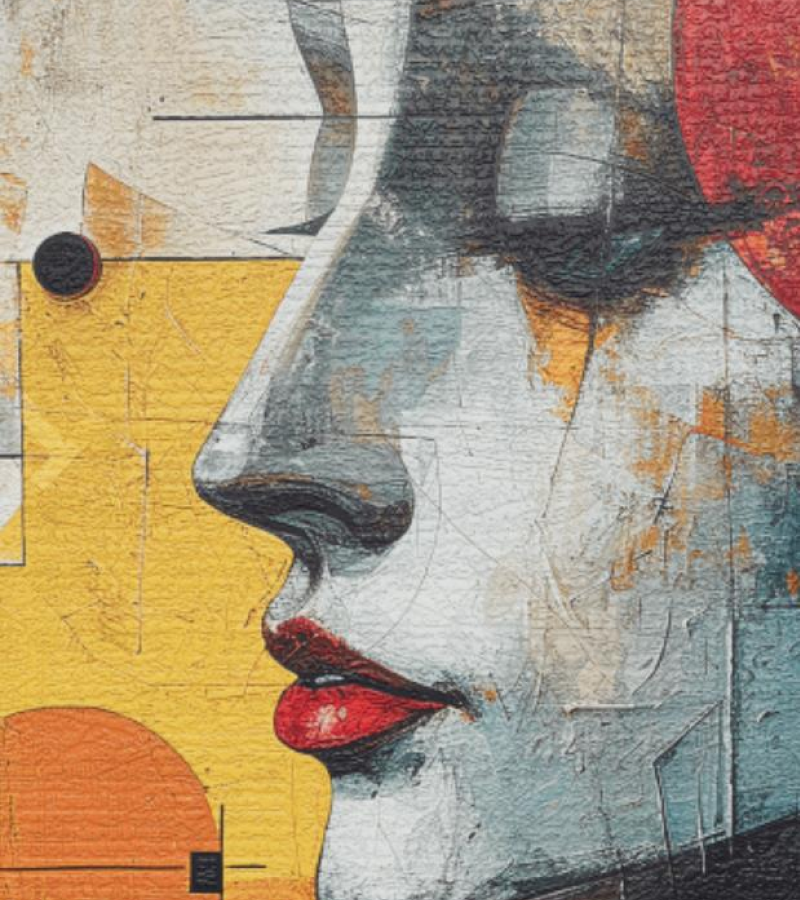
Dimensional printing creates physical surface structure rather than simply reproducing the appearance of texture.
Detailed embossed effects can rise up to approximately 0.08 inches / 2 mm, creating shadows and tactile variation that enhance the artwork and change the way a wall responds to light.
That distinction is important: a printed image of linen looks like linen. A dimensional surface adds actual physical relief.
Materials Designed for Interior Environments
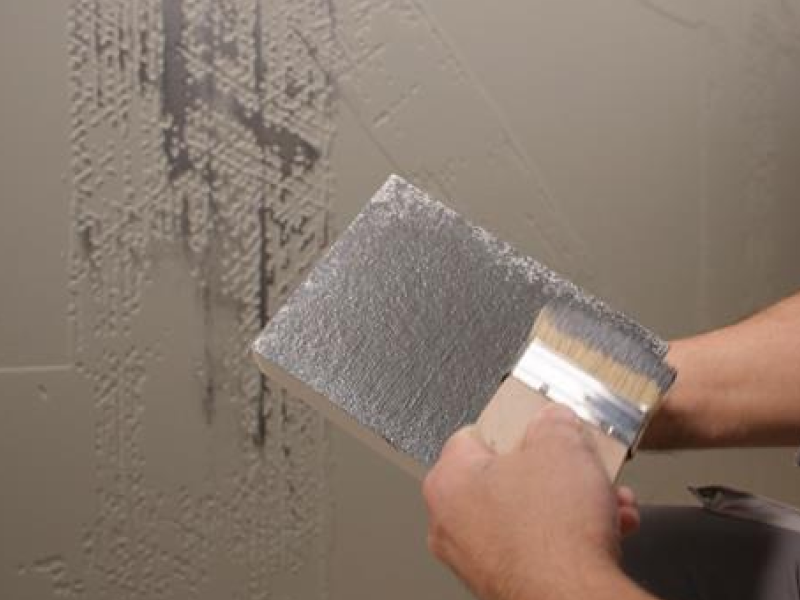
Available textured media include premium non-woven and textile-based substrates in a range of finishes. Certain media options are engineered to meet commercial interior performance requirements, including ASTM E84 Class A fire-rating criteria and Type II wallcovering classifications when produced according to the specified system requirements. That makes dimensional wallcoverings relevant not only for decorative applications, but also for commercial interior projects where design and performance must work together.
A More Thoughtful Material Story
Sustainability increasingly influences material selection in architecture and interior design.
Dimensional wallcovering options can include PVC-free media and low-odor, water-based inks, providing another alternative for teams looking to reduce reliance on traditional PVC-based decorative materials.
Water-based ink options are also designed for low VOC emissions and indoor applications where air quality considerations are important.
Bring Us the Idea
Whether you already have a finished design or are exploring what dimensional printing could add to a project, ARC can help translate the concept into a producible wallcovering solution.
Our teams can collaborate with architects, interior designers, environmental graphic designers, and brand teams to evaluate:
- Artwork and pattern concepts
- Texture placement
- Material and finish options
- Scale and repeat
- Color
- Mockups and samples
- Production requirements
- Installation considerations
The goal is not simply to print a wallcovering. It is to help preserve the intent of the design from concept through installation.
See What Texture Adds
A dimensional wallcovering is difficult to fully appreciate on a screen. The difference becomes clear when you can see how light interacts with the surface and feel the depth of the design.