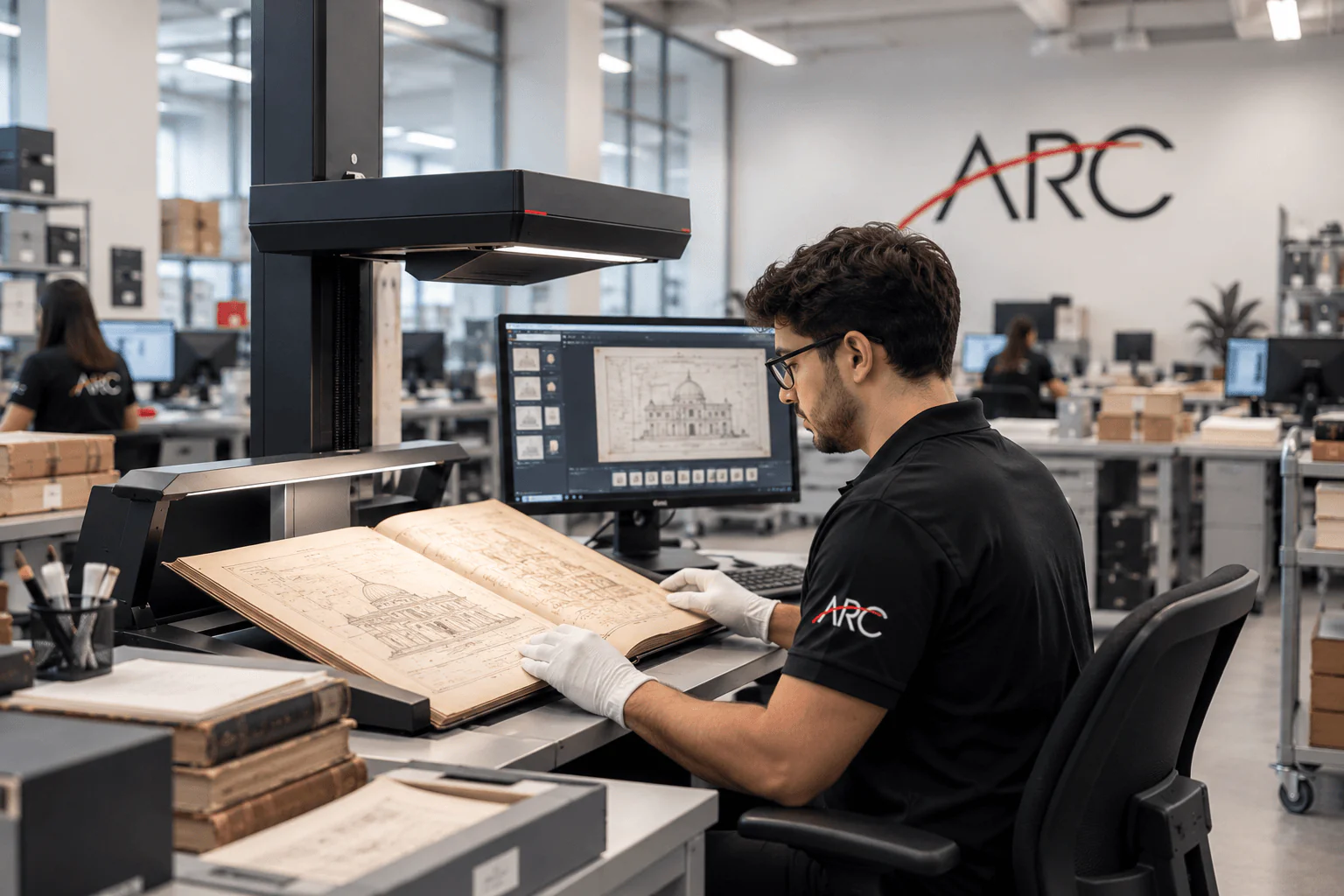
Scan at ARC Center
Collections are carefully transported to dedicated facilities with specialized capture technology and high-volume production capacity.
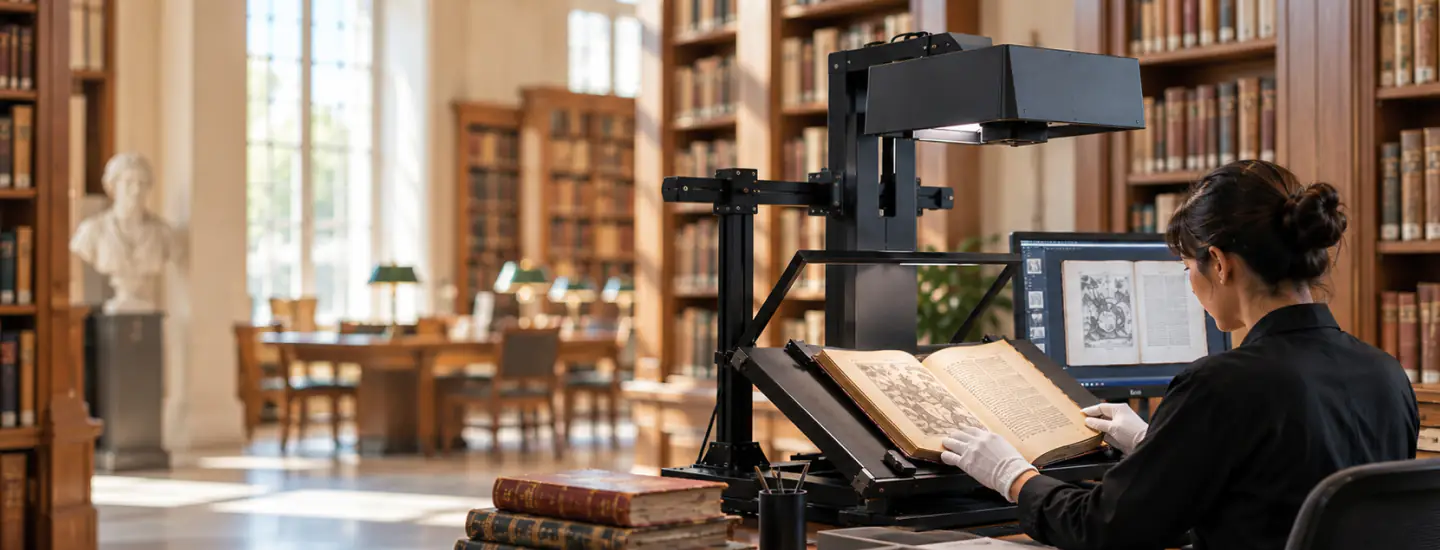
Libraries safeguard generations of research, history, and culture. Specialized digitization protects valuable collections while expanding access for research, preservation, and digital discovery.
Libraries are stewards of cultural memory, scholarship, discovery, and ideas that may exist nowhere else. Digitization creates another layer of preservation while protecting the importance and integrity of the original material.
Non-destructive capture methods accommodate fragile, aging, tightly bound, and historically significant materials, creating high-quality digital versions while reducing unnecessary handling of the originals.

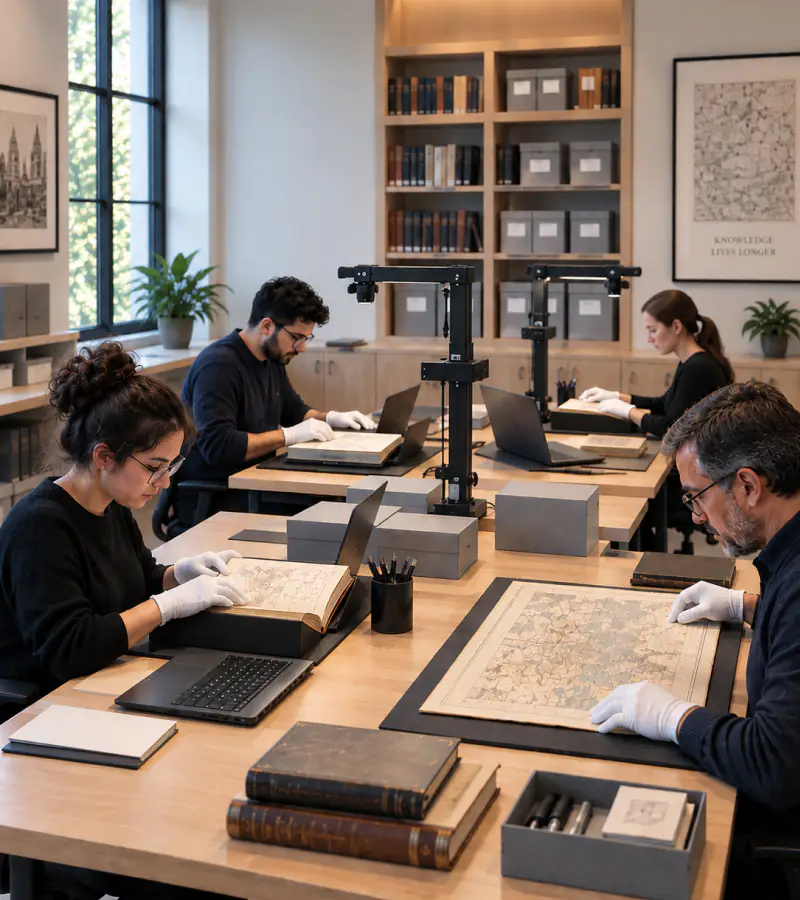
No two collections are exactly alike. Condition, binding, format, size, handling restrictions, image requirements, metadata needs, and desired outputs all influence the capture approach. More than a dozen specialized systems allow the technology and workflow to be selected around the preservation needs of each collection.
Designed for:
Preservation policies, security requirements, collection size, and institutional needs can determine where digitization takes place.
Collections are carefully transported to dedicated facilities with specialized capture technology and high-volume production capacity.
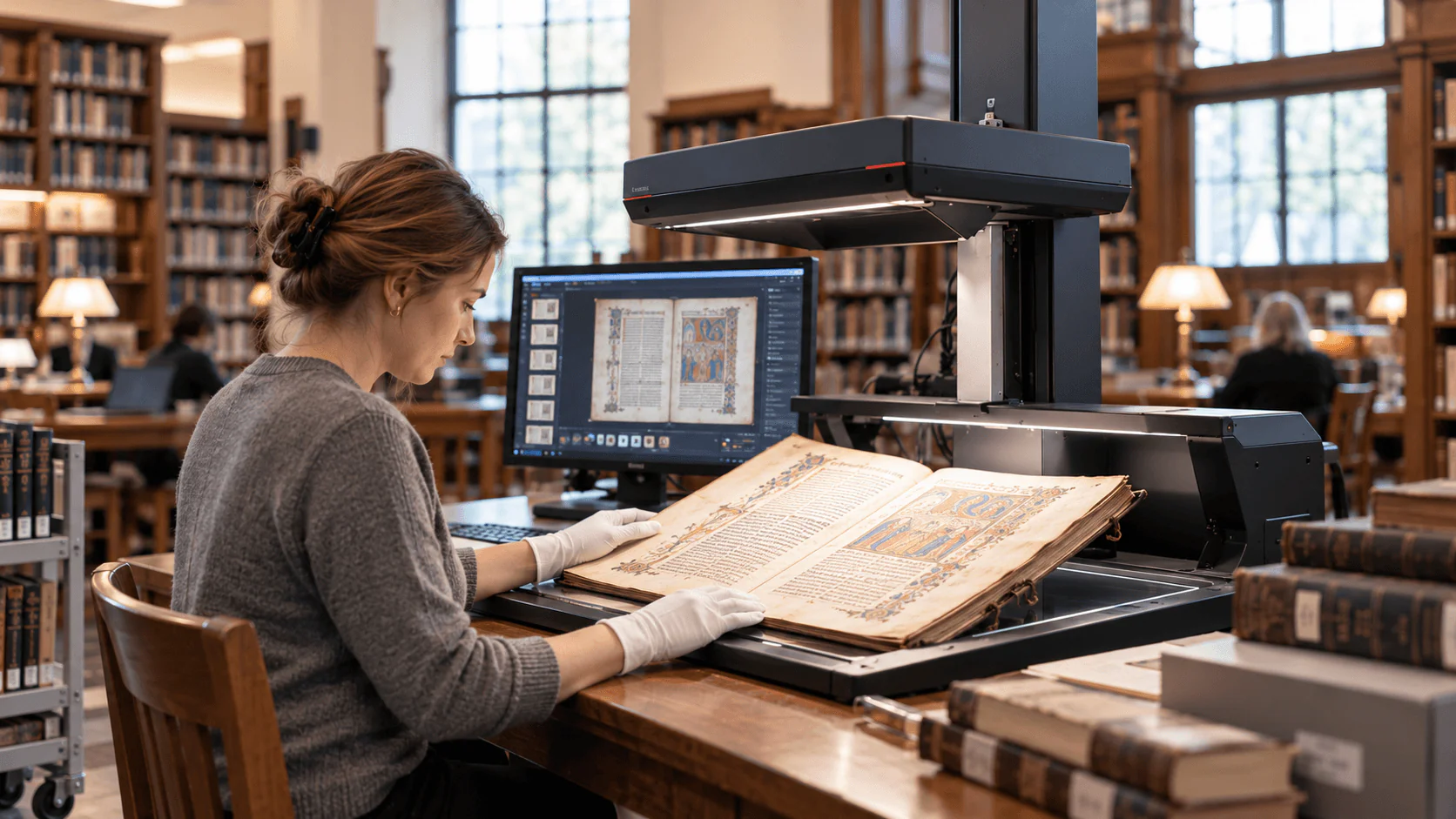
Trained teams and specialized equipment are deployed directly to your facility, so valuable collections never leave the institution.
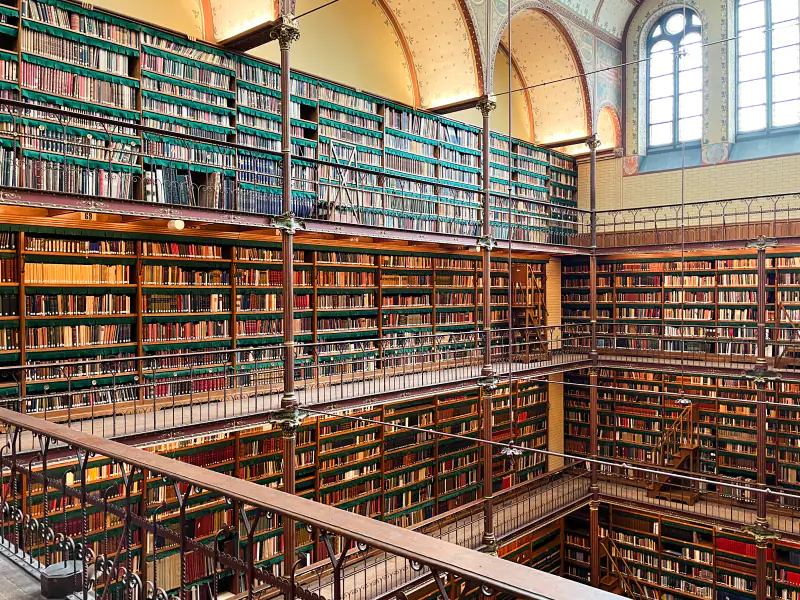
Large collections can require significant production capacity without compromising careful handling. Specialized equipment, trained operators, quality control, and non-destructive workflows support projects ranging from individual special collections to millions of pages. Capacity can scale to meet institutional timelines while maintaining consistent image quality and preservation standards.
Expand access while protecting what makes the collection irreplaceable.
Fragile and limited-access materials can contain knowledge that few people have the opportunity to experience firsthand. Digitization expands access for researchers, students, scholars, and future generations while reducing unnecessary handling of valuable originals.
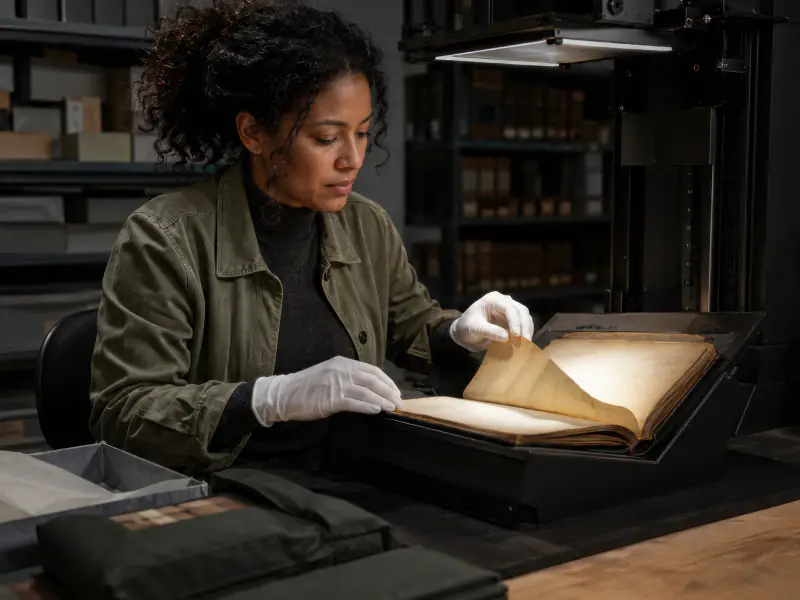
No two collections are exactly alike. Specialized scanning systems accommodate everything from fragile and tightly bound materials to high-volume collections and oversized formats balancing preservation, image quality, and productivity.
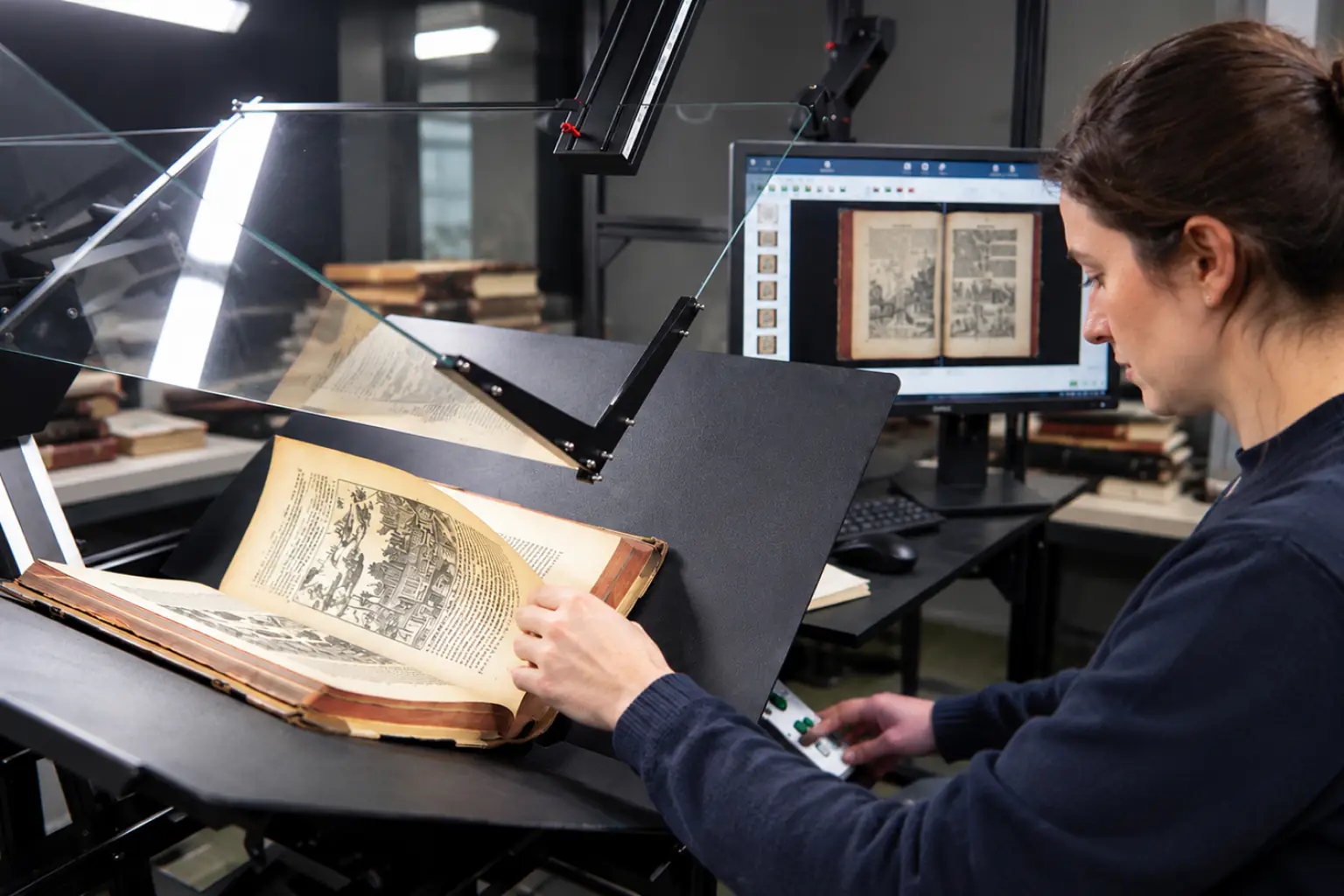
Designed to capture bound and fragile materials while minimizing handling and protecting original bindings.
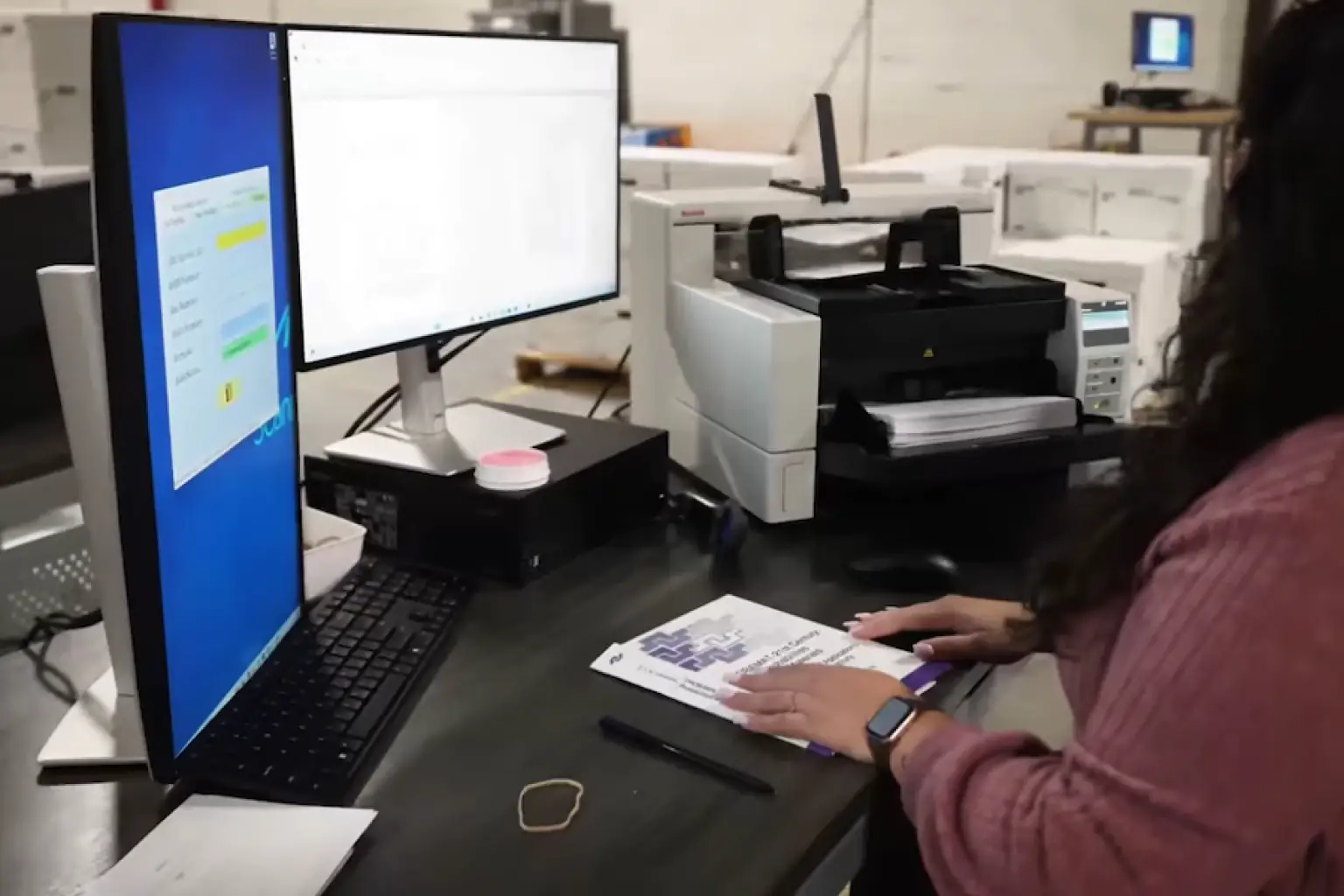
Automated technology built for efficient digitization of large collections while maintaining consistent image quality.
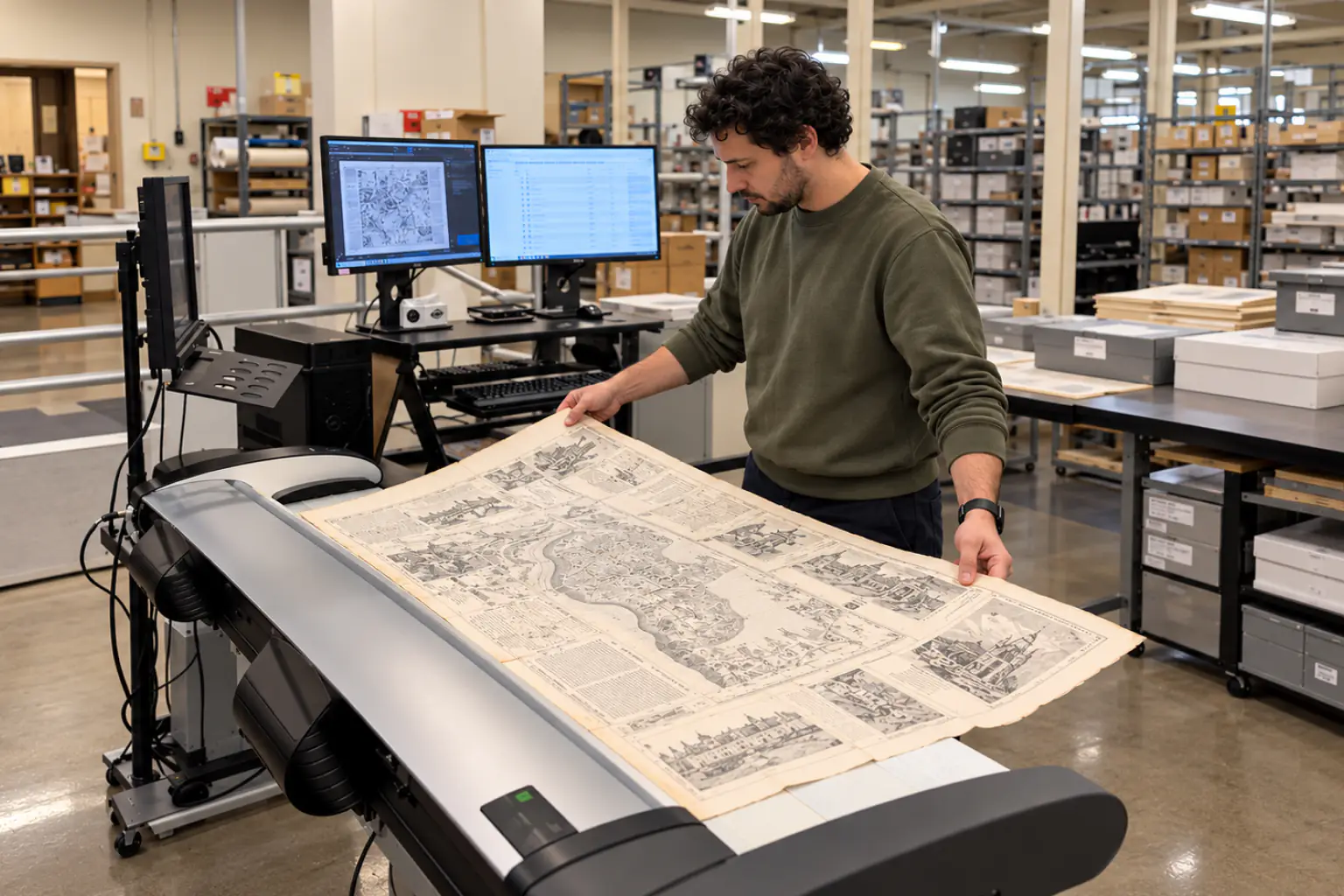
Purpose-built systems capture maps, newspapers, drawings, oversized materials, and other formats that require
Creating a digital image is only the beginning. OCR, metadata, indexing, image enhancement, and quality control transform captured materials into searchable, structured digital resources—making valuable research, illustrations, annotations, and cultural knowledge easier to discover and use across digital archives, research platforms, advanced search, and emerging AI applications.
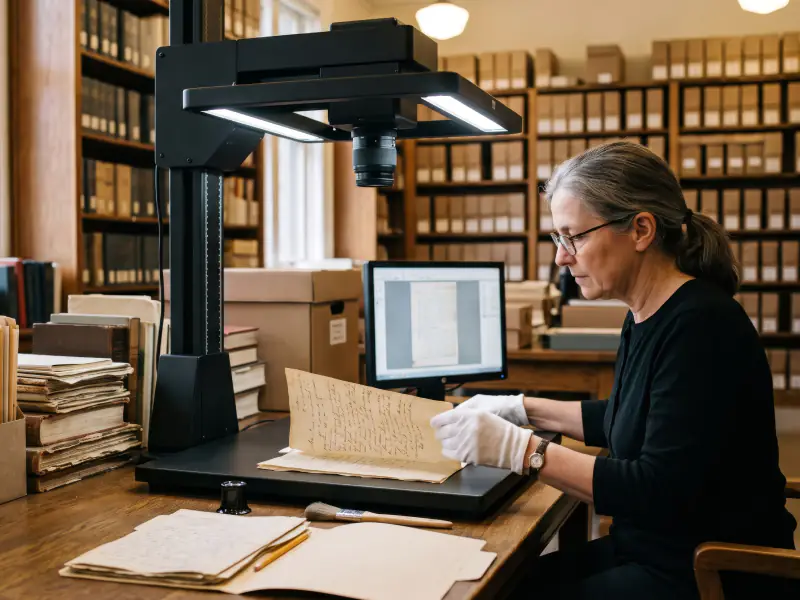
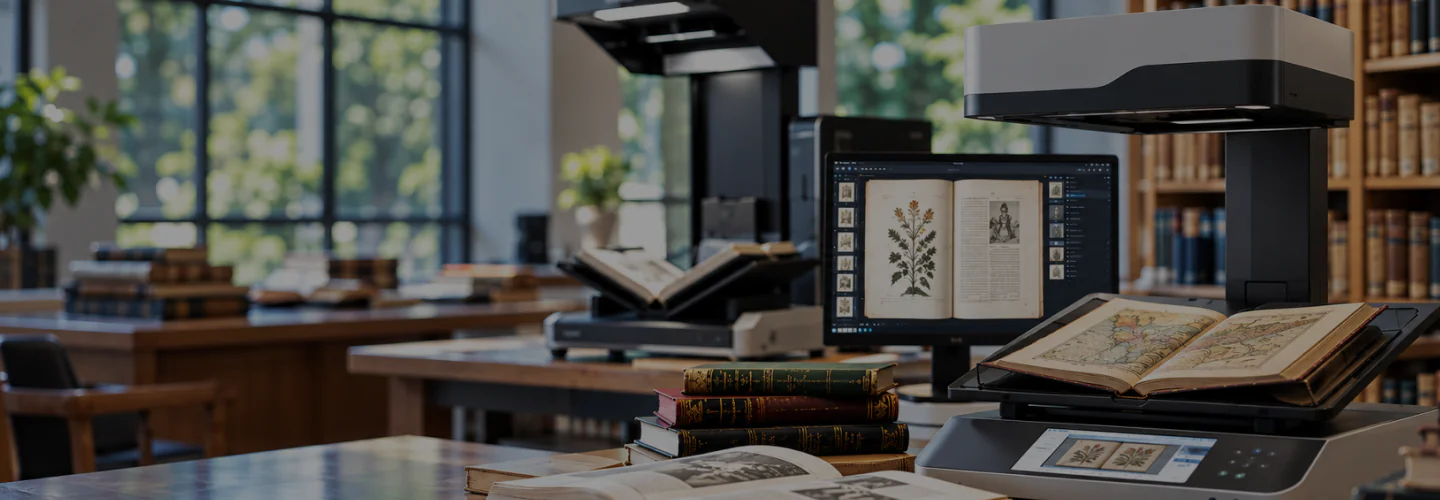
Equip your library with professional scanning technology designed for a wide range of materials, including books, photographs, drawings, and delicate originals..
Libraries have preserved human knowledge for centuries. Technology continues to change how that knowledge is discovered and shared, but the responsibility remains the same. Every collection represents years, sometimes centuries, of acquisition, scholarship, preservation, and institutional care. Digitization should honor that legacy by protecting the original while extending its knowledge to new audiences and future generations.
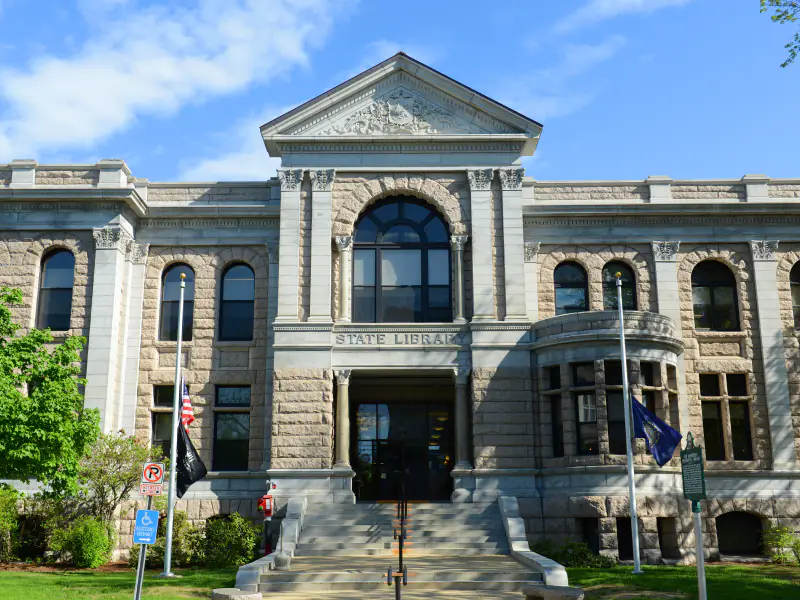
A physical collection and its digital counterpart can exist together, protecting original materials while creating new opportunities for research, education, accessibility, and discovery.