Book, Magazine and Archive Digitization
Make printed collections searchable while preserving page references and publication details.
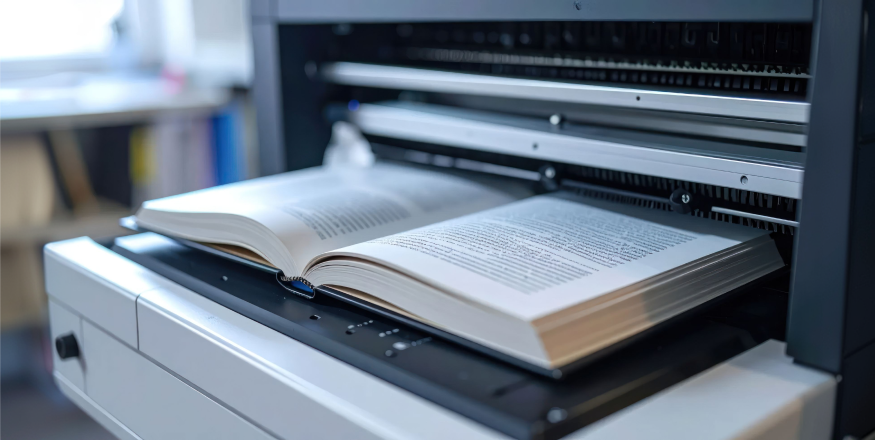
Readers need searchable text, accurate page references, and files organized for their chosen systems. A clear scope connects these requirements with the condition of the originals.
Match the plan to the materials

Books and bound volumes
Assess binding condition, opening limits, page curvature, margins, and loose inserts before selecting a capture method suited to the item and its handling requirements.

Magazines and journals
Connect covers, articles, illustrations, and page numbers to the correct volume and issue so readers can navigate each publication and identify the material they need.

Literature and institutional
Define collection boundaries, retain catalog references, and preserve original order where required so researchers can understand relationships between records.

Technical & Mixed Formats
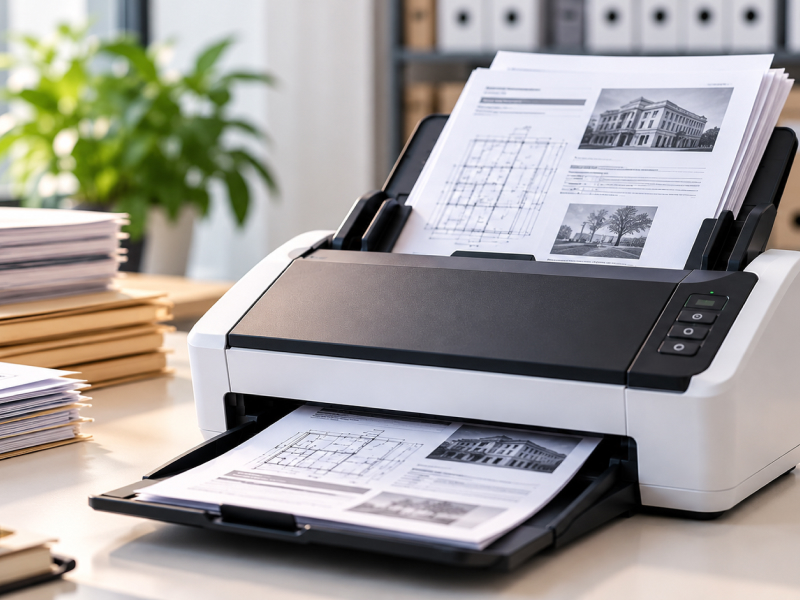
Identify diagrams, foldouts, tables, and oversized pages early so capture settings and processing steps account for details that differ from a standard printed sheet.

OCR and layout preservation
Test small type, faded print, unusual fonts, and multiple columns on representative pages to assess extracted text and reading order before processing the material.

Metadata and indexing
Record titles, dates, volumes, issues, and page references using agreed fields so each file retains useful context beyond its name and location within a folder.
Books and bound volumes
Assess binding condition, opening limits, page curvature, margins, and loose inserts before selecting a capture method suited to the item and its handling requirements.
Magazines and journals
Connect covers, articles, illustrations, and page numbers to the correct volume and issue so readers can navigate each publication and identify the material they need.
Literature and institutional
Define collection boundaries, retain catalog references, and preserve original order where required so researchers can understand relationships between records.
Technical & Mixed Formats
Identify diagrams, foldouts, tables, and oversized pages early so capture settings and processing steps account for details that differ from a standard printed sheet.
OCR and layout preservation
Test small type, faded print, unusual fonts, and multiple columns on representative pages to assess extracted text and reading order before processing the material.
Metadata and indexing
Record titles, dates, volumes, issues, and page references using agreed fields so each file retains useful context beyond its name and location within a folder.
Organize the Results for Long-Term Use
Decide who will use the files and which catalog, repository, or internal system will receive them.
- Required image, text, and metadata outputs
- File naming and delivery arrangements
- Return or retention of physical originals
- Responsibility for digital storage, backups, and future migration
Test a representative batch in the receiving system before approving the remaining work.
Put handling decisions first
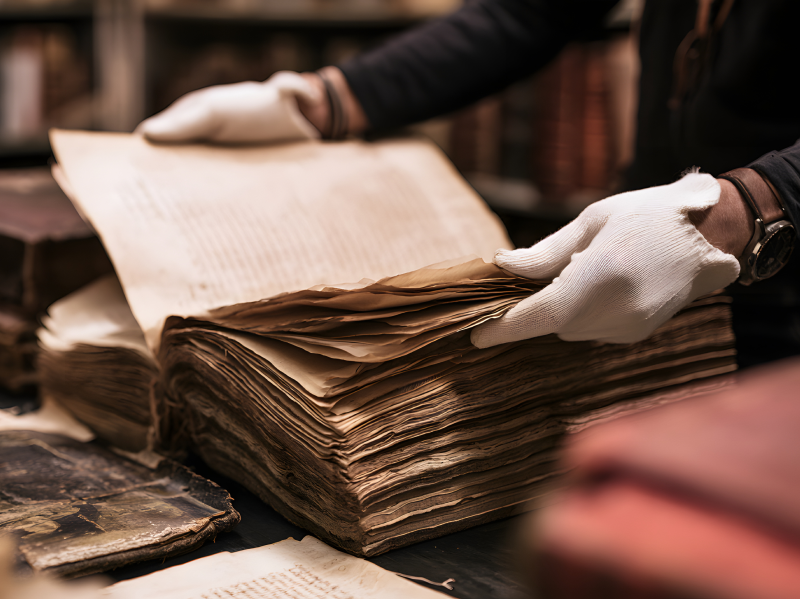
Fragile paper, tight bindings, loose inserts, and oversized sheets can require different capture approaches. Before production, agree:
- Whether items must remain bound.
- How pages will be supported.
- Which originals require specialist assessment.
- Any limits on opening, disbinding, or transport.
Confirm the equipment and proposed method using representative items before scheduling the remaining work.
Check the Details Before Scaling
Compare representative pages with their originals to assess completeness, reading order, and reference fields before approving the remaining batch.
Prepare for a Clearly Defined Research Application
A private search tool may need extracted text linked to publication dates, editions, and page references. Identify the intended task and confirm permitted uses before choosing the required outputs.
Where model development is planned, document any additional processing needs separately from the initial capture brief.
When an AI use is part of the approved project, connect the collection plan to AI Data Preparation. Keep publication, redistribution and model-training decisions separate from the scanning specification.

Build a practical collection plan
Tell us about your materials, intended readers, and preferred outputs.
Questions about collection digitization
Have the binding, opening angle, and condition assessed before confirming the capture method. A suitable non-destructive approach depends on the item, and handling requirements and risks should be agreed before production.
OCR can produce searchable text, with results affected by print quality and layout. Agree whether search is needed by publication, issue, article or page, and validate examples before full production.
No. Digital capture creates another way to access information. Fragile or damaged originals may still need assessment and treatment by an appropriate conservation specialist.
Bring an inventory or estimate, material sizes and condition notes, representative images you are authorized to share, intended uses and output requirements. Flag rare items, unusual bindings and restrictions on handling or access.