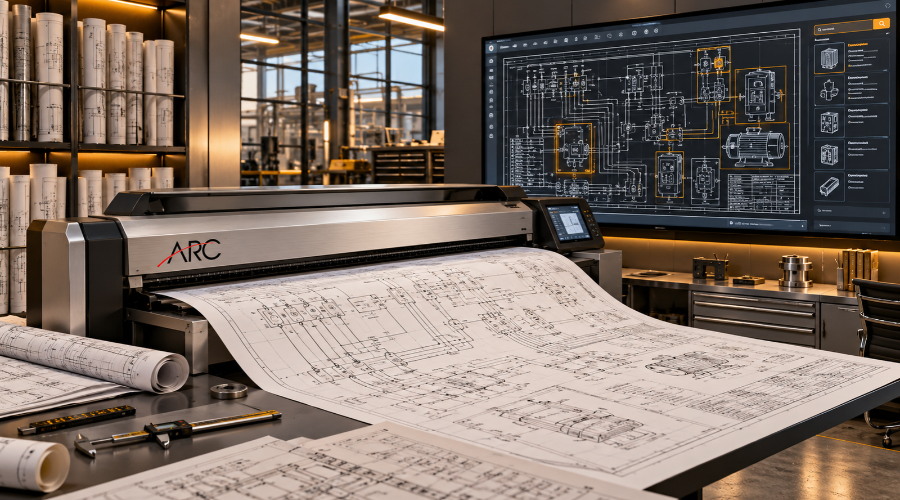
Why Engineering Schematic Digitization Is Making Headlines Now
Engineering teams and facility managers are facing increased pressure to streamline operations and embrace digital transformation. The rapid adoption of Industry 4.0 technologies has highlighted just how essential it is to convert analog documents, such as engineering schematics, into digital assets. As companies upgrade infrastructure and systems for efficiency and scalability, legacy paper schematics are standing out as bottlenecks that slow down teams, introduce risk, and hinder collaboration.
The urgency stems from a changing work environment where distributed teams, remote access, and fast-paced projects are the norm. Relying on physical blueprints or scanned static images makes it difficult to search, update, or share information efficiently. This growing digital skills gap poses challenges for companies striving to maintain competitiveness, meet regulatory demands, and ensure business continuity in the face of disruptions.
The Benefits of Upgrading Engineering Schematics for the Digital Age
Transitioning from paper-based documents to dynamic, digital files is more than a technological upgrade – it’s an investment in operational excellence. With digital schematic files, our teams can search for details instantly, zoom in for clarity, and distribute information across departments or job sites without the risk of losing or damaging original documents.
Digital schematics support better collaboration across teams and stakeholders, regardless of their physical location. Quick access to accurate documentation means questions get answered faster, reducing downtime and eliminating errors that often stem from misinterpreted or outdated drawings. In regulated industries, audit trails and update histories built into digital libraries also make compliance easier and more reliable.
Engineering schematic digitization also lays the groundwork for automation, enabling organizations to integrate schematics with asset management tools, workflow applications, and digital twin platforms. This step advances our ability to make informed decisions based on up-to-date, actionable data.
Scanning Solutions: Your Pathway to Machine-Readable Engineering Datasets
Investing in professional scanning and conversion services helps bridge the gap between legacy documentation and the needs of today’s digital infrastructure. We use large-format scanners capable of handling oversized blueprints and complex engineering diagrams without loss of detail. These devices, combined with optical character recognition (OCR) technology, do more than create static digital images – they transform drawings into structured, searchable datasets that can be read and processed by machines.
This approach to schematic digitization enables organizations to extract greater value from existing engineering records. With digital archives in place, we can support advanced analytics, safe cloud storage, and streamlined maintenance planning. Modern scanning solutions also reduce the risk of document loss due to accidents or environmental damage, safeguarding institutional knowledge for the long term.
Unlocking Value: How Engineering Schematic Digitization Streamlines Operations
Engineering Schematic Digitization: Enhanced Accessibility and Secure Storage
In many workflows, time equals money. By digitizing engineering schematics, we make project documents instantly accessible to our teams, regardless of location. This accessibility helps ensure that our staff can pull up, search, and share detailed plans without delay. Moreover, digital files are easier to protect. With password-protected storage and user-based access controls, our teams prevent the unauthorized use of sensitive engineering data.
Another benefit of schematic digitization is disaster recovery. Physical copies are vulnerable to damage from water, fire, or simple misplacement. With digital schematics stored securely in the cloud or on our servers, recovery is as easy as restoring from a backup. Our digital files also integrate well with version control systems, reducing the chances of working from outdated information. Because digital assets are easier to organize by project, department, or date, maintaining regulatory compliance becomes more straightforward and consistent across projects.
A Step-By-Step Guide: How to Scan Engineering Schematics for Machine-Readable Datasets
To create a reliable digital archive of engineering schematics, the right workflow is essential. Preparation is the first step. We clean, flatten, and check all documents for damage. This extra attention helps prevent poor image quality or data loss in the following steps. Next, we use large-format scanners, which capture precise details without cropping or distortion, maintaining the technical integrity of the original.
Optical Character Recognition (OCR) technology comes into play next. Our OCR software translates characters, notes, and symbols from the images into machine-readable text. With efficient OCR, text in complex diagrams becomes searchable and editable, opening new opportunities for automation and analysis. After scanning and processing, we conduct data validation to double-check that all information has been captured correctly.
- Document preparation: remove staples, flatten pages, and repair tears for optimal scanning
- Large-format scanning: high-resolution equipment captures fine detail necessary for engineering
- OCR processing: convert all text and symbols into digital, searchable data
- Data validation: review digital documents for completeness and accuracy before archiving
We also recognize that selecting the correct software and hardware is critical. Some legacy schematics may require calibration or advanced scanning settings to preserve accuracy. Therefore, our process always considers the unique needs of each project, helping prevent data loss or misinterpretation. With each file, we create a reliable, future-ready archive that empowers faster collaboration and informed decision-making.
Conclusion: Embracing Engineering Schematic Digitization for a Future-Ready Workflow
As organizations look to enhance their processes and workflows, the shift toward engineering schematic digitization is not just a trend – it’s becoming an essential step in building a more resilient and efficient engineering operation. The journey toward digitization gives us and our clients improved access to essential schematics, faster retrieval, better collaboration across departments, and a stronger position when it comes to compliance and document security. By transforming paper-based drawings and legacy archives into digital, machine-readable formats, we help minimize downtime, reduce manual errors, and set the stage for smarter, data-driven decision-making.
Navigating the Next Steps in Engineering Schematic Digitization
At ARC, we understand that managing technical drawings, site plans, wiring diagrams, and other large engineering documents can be daunting, especially for firms looking to modernize. Leveraging our advanced large format scanning capabilities, we ensure even the most complex and oversized schematics are captured to exacting standards, preserved, and made easily accessible within your digital ecosystem. Our workflows include careful document preparation, high-fidelity scanning, and quality assurance so you can have confidence in the accuracy and usability of your newly digitized data.
Adopting engineering schematic digitization is not only about keeping up with technology – it’s about empowering our clients to respond quickly to project demands, collaborate remotely, and protect vital information against loss or damage. By investing in the right digitization services, you position your organization to realize long-term savings, reduce operational risks, and stay ahead in a highly competitive marketplace. Join us as we continue to help organizations of all sizes and industries unlock the full value of their engineering archives. Let’s move forward, together, toward a more agile and responsive future.
FAQ
What types of engineering schematics can ARC digitize?
We digitize a wide range of engineering schematics – including electrical, mechanical, civil, architectural, and process diagrams. In fact, our large-format equipment accommodates oversized or unusual documents, allowing our team to deliver high-quality, machine-readable files no matter the original format.
How accurate is the OCR (Optical Character Recognition) process for scanned schematics?
Our OCR process is exceptionally accurate, as we utilize advanced software and rigorous quality controls. While some faded or handwritten elements may require manual verification, our team ensures data fidelity through a combination of automated and human checks. Consequently, you receive schematics that are both readable and reliable.
Can we customize output formats to match our internal standards?
Absolutely! We tailor output formats to align with your existing digital workflows or CAD systems. Whether you prefer PDF, DWG, TIFF, or another file type, our flexible solutions allow seamless integration with your current document management processes.
What security measures does ARC implement to protect our confidential schematics?
Data security is a top priority for us. All documents are handled in secure environments with strict access controls and encrypted workflows. Furthermore, we maintain trusted industry certifications, so your intellectual property and sensitive designs remain confidential throughout every project phase.
How quickly can you digitize large volumes of schematics?
Project timelines depend on volume and complexity, but our state-of-the-art equipment and experienced team enable rapid turnaround. Additionally, we offer scalable services to meet urgent project deadlines, ensuring minimal disruptions to your operations.
What is your process for handling damaged, faded, or old schematics?
We take special care with fragile, aged, or damaged schematics. First, our experts assess the documents and, if necessary, perform restoration or cleaning prior to scanning. By doing so, we maximize the quality and legibility of the resulting digital files, preserving critical details for future use.
Can our team access digitized schematics remotely after conversion?
Yes, once digitized, your schematics can be integrated into cloud-based repositories or document management systems. As a result, team members gain instant, secure access from any location, dramatically improving collaboration and project agility.
Will digitizing our schematics impact current regulatory compliance?
On the contrary, digitizing your schematics enhances compliance. Our digital output solutions provide improved traceability, audit trails, and version control, which support adherence to industry and government documentation standards.
What ongoing support does ARC provide after project completion?
We offer comprehensive support, including post-project troubleshooting, system integration assistance, and refresher training for your staff. In addition, our customer service team is always available to help you maximize long-term value from your digital schematic library.
How can digitization benefit our business beyond basic document management?
When you digitize your schematics, you unlock analytic insights, enable automation, reduce physical storage costs, and streamline project workflows. Ultimately, our services drive efficiency, support risk mitigation, and foster data-driven collaboration across the entire engineering lifecycle.